


African Traditional Religion,
indigenous knowledge systems,
Xhosa heritage, and spirituality.
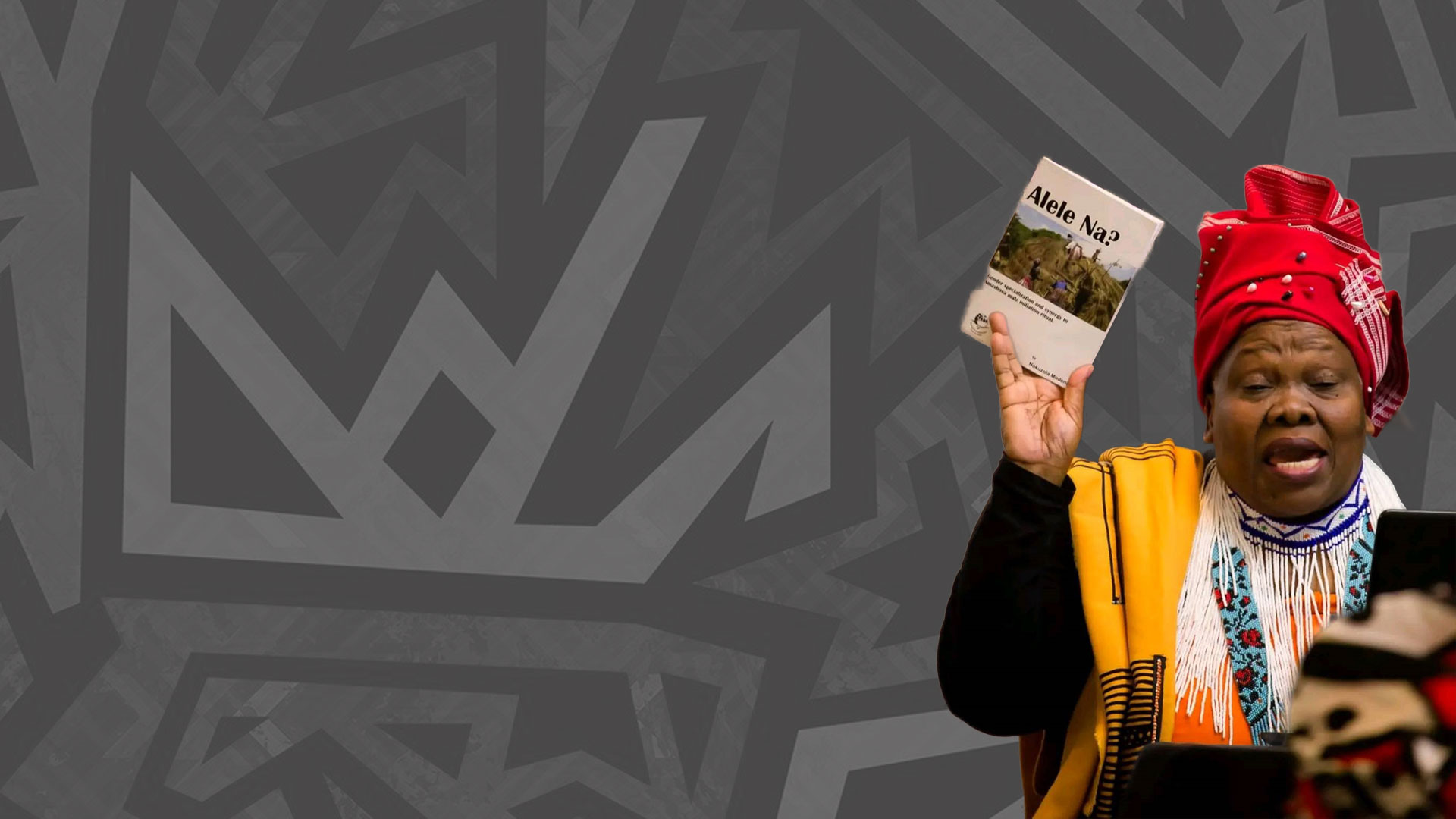
Professor Nokuzola Mndende is a prolific
and highly regarded author.
Through her consultancy services, Professor Nokuzola Mndende offers experties, practical guidance,drawing from her academic qualifications
Professor Nokuzola Mndende regularly delivers lectures, presentations, panel discussions, and workshops across South Africa .
Professor Nokuzola Mndende is a prolific and highly regarded author whose written works bring African traditional religion, spirituality, and indigenous knowledge
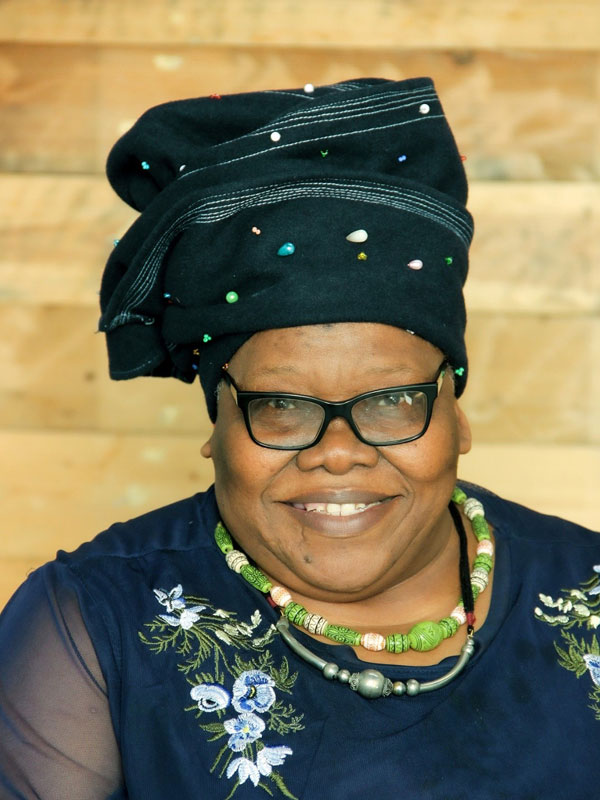
(PhD – Religious Studies- UCT)
Prof. Nokuzola Mndende is a prominent South African academic, cultural activist, author, and advocate for African Traditional Religion (ATR) and indigenous knowledge systems. Born on March 25, 1957, she hails from the Eastern Cape and has dedicated her career to promoting African spirituality, Xhosa culture, and the recognition of indigenous African belief systems as valid and independent faiths.
She earned her PhD in 2002 from the University of Cape Town, specialising in African Traditional Religion. As a qualified diviner (igqirha) and spirit medium, she is a practitioner and firm believer in African spirituality, often described as an African liberation theologian and expert in the field.
Her academic journey includes lecturing in comparative religion and religious studies. She served as an adjunct professor in the Department of Sociology and Anthropology at Nelson Mandela University (formerly Nelson Mandela Metropolitan University), where she contributed to teaching and research on African culture, feminist/womanist theology, African spirituality, and indigenous knowledge systems. She has recently retired from this role but remains influential as an academic visitor and consultant.
Prof. Mndende is the founder of the Icamagu Heritage Institute (also known as Icamagu Institute) in Dutywa (formerly Idutywa), Eastern Cape. This pioneering institution serves as a center for learning about Xhosa culture, spirituality, history, herbalism, customs, and traditional medicine—recognized as the first school of its kind in South Africa dedicated to these areas.
Through her writings, public speaking, and activism, she addresses topics such as moral regeneration, ethical leadership from an African religious perspective, the impact of individualism on communal values, religious freedom for African traditions, and critiques of the marginalization of ATR (including its misclassification as a minority religion in a country with deep indigenous roots). Notable works include books like Siyacamagusha and contributions to discussions on African religion's role in society, such as harmony, respect, ubuntu principles, and responses to modern challenges like moral decay and identity crises.
She is widely regarded as a revered elder in African tradition, a consultant on indigenous knowledge systems, and a key voice in national and international forums (including the Parliament of the World's Religions) advocating for the respect and revival of African spiritual heritage. Her work continues to inspire efforts to balance modern life with traditional values while challenging historical biases against African religions.
We aim to deliver services that meet our clients’ needs. Our goal is to ensure our services align with the high expectations of our clients through:
This echoes the profound African philosophy of ubuntu, emphasizing communal existence and interdependence.